





August 18, 2026
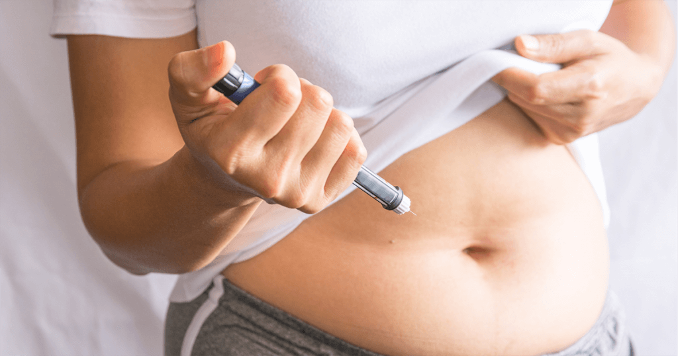
GLP-1s have been part of the cultural landscape for a while. That was true when they were still mostly a diabetes treatment, then more so when they broke into the mainstream as a weight-loss drug. And it's just as true today, now that they've quietly become one of the biggest behavioral shifts consumer marketers will deal with this decade.
The scale is actually pretty staggering. Gallup's latest tracking has 11% of U.S. adults currently on a GLP-1, up from just 3% in 2024. Fifteen percent have tried one at some point, and awareness is now at 91%. PwC puts it in household terms: 21% of U.S. households now include a current GLP-1 user, up from 9% in January 2025. More than half of those users have been on the drug for over a year. This isn't a passing fad. It's becoming a permanent feature, and it’s impacting how a fifth of American households eat, shop, and live.
McKinsey tracked purchasing behavior in the six months after adoption, and here's what changes once GLP-1s show up in a household: chips and savory snack purchases go down 11.5%, bakery items down 8.5%, soft drinks down 6.8%, juice down 4.8%. Fresh produce ticks up 1.5%, yogurt climbs 2.5%. PwC's numbers track closely — 61% of users buying fewer sweet treats, 56% fewer salty snacks, overall grocery spend down 5.5%. Restaurants feel it even more: quick-service spending drops nearly 9% within six to eight months of starting the medication, with pizza down over 22% and chicken down close to 12%.
For anyone in food, beverage, or restaurant marketing, that's not a small thing. A meaningful and growing part of the customer base has had its appetite and eating habits fundamentally rewired, and most category marketing is still built for a customer who wants more, bigger, and indulgent. This is a huge opportunity for marketers who are paying attention, and also a huge risk for whoever moves too slowly.
What stands out, though, is that consumers are telling us what they want. PwC found 35% of GLP-1 users actively asking for smaller portions at proportionally lower prices, and another 32% want half-portion options without paying an upcharge for eating less. That's not a hard problem to solve.
The apparel data makes a similar point from a different angle. Seventy-three percent of GLP-1 users report a meaningful clothing size change, and 26% are spending more on apparel overall despite sizing down. Women's jeans are up 66% in this segment, swimwear up 31%, jewelry up 36%. People going through a body transformation aren't buying less. They're buying differently, often for the first time in years, and whoever earns that first purchase tends to keep the relationship.
The clearest white space, though, is wellness support, because almost nobody has built it well yet. Only 23% of GLP-1 users feel genuinely supported by existing wellness brands. Seventy-seven percent are waiting for something that actually integrates medication management, nutrition, and fitness into one experience instead of three separate apps. And 41% of GLP-1 users have never done strength training, at exactly the moment when preserving muscle mass during rapid weight loss has become a well-documented concern. That's not a messaging gap. That's a category that doesn't even really exist yet, waiting for a brand with the data to identify these customers and the credibility to talk to them without being clinical or condescending.
At Slingshot, we’re applying this thinking to all our clients in the wellness or food space – as all brand marketers should. It means a nuanced shift in the way we think about our consumer base and how we talk to them. We have to remember that a significant portion of them are likely re-engineering their relationship with their body, what they eat, how they exercise, and what they consider "healthy". They might also be questioning habits and identities they've held for years, like constantly chasing the next weight loss fad. And they may be starting to feel more capable and more in-control than they did before.
For some brands, that could mean actively addressing the GLP-1 audience. It could mean be less overt, like including imagery that shows strength training rather than cardio, or nutrient density rather than caloric deficit. The point is, all brand marketers in the wellness space absolutely need to be thinking about this, looking at their consumer data, and determining how it should impact their campaigns and messaging. At this point, it’s simply too big a shift to
ignore.
If you’re interested in talking more about this and what it might mean to your brand, reach out to us here.
Sources:
- [In U.S., GLP-1 Usage Reaches New High — Gallup]( https://news.gallup.com/poll/712157/glp-usage-reaches-new-high.aspx )
- [GLP-1s Bite Into Snack and Drink Sales — McKinsey & Company]( https://www.mckinsey.com/featured-insights/week-in-charts/glp1s-bite-into-snack-and-drink-sales )
- [GLP-1 Consumer Trends in Food, Apparel and Wellness — PwC] https://www.pwc.com/us/en/industries/consumer-markets/library/glp-1-consumer-
trends.html)